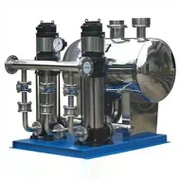
model selection of Chemical pump
Nov 16, 2024
There are several factors to consider in the selection of chemical pumps, including the physical and chemical properties of the conveying medium, the process parameters, and the type and material of the pump12. First of all, the physical and chemical properties of the conveying medium are an important basis for selection. The characteristics of the medium such as corrosiveness, viscosity, solid particle content, etc., will affect the choice of pump. For example, for corrosive media, pumps made of corrosion-resistant materials such as stainless steel, fluoroplastics or ceramics should be used; For media containing solid particles, pumps made of wear-resistant materials should be selected, and the wear resistance of the shaft seal should be considered. Secondly, process parameters such as flow, head, pressure and temperature are also key to the selection. The flow rate and head need to match the rated flow rate and head of the pump, and the rated flow rate of the pump is usually not less than the maximum flow rate of the device, and the rated head is 1.05~1.1 times of the head required by the device. In addition, the temperature and pressure of the medium will also affect the choice of pump, and it is necessary to ensure that the pump can operate properly within the specified temperature and pressure range. Finally, choose the right pump type according to different process needs. The centrifugal pump has a simple structure and is suitable for most conventional chemical processes; Reciprocating pumps are suitable for conveying media that require accurate metering or high viscosity; Axial flow pumps and mixed-flow pumps are suitable for low-head and high-flow applications. When choosing a specific model, factors such as pump efficiency, weight, and price also need to be considered to ensure that you choose a cost-effective pump.