Call Us: +8613573317266Email: 947633108@qq.com
enLanguage

Submersible Sewage Pump

What is Submersible Sewage Pump?


A submersible wastewater pump, otherwise called sewage pump, is a piece of electrical equipment that is designed to work when it is submerged in water. It is used to transport waste by directing the flow of sewage water towards a sewage treatment facility.


Why Choose Us

Our Factory

The company has modern standard workshop, with a complete scientific quality management system. There are many advanced, professional production equipment and testing instruments.

Production Equipment

CNC lathes, drilling machines, machining centers, large floor boring machines and other advanced processing equipment.


Reliable Supply

We offer a vertically integrated supply chain model to ensure reliable long-term supply and complete traceability.

Customer Service

We prioritize open communication to address our clients' specific requirements and deliver personalized solutions.


Key Features of Submersible Wastewater Pumps
 

High Durability and Efficiency

A submersible pump is designed for high durability and efficiency, making it ideal for demanding applications. These pumps are constructed with robust materials such as cast iron, stainless steel, and high-chrome alloys, ensuring longevity, corrosion resistance, and wear resistance. This durability is crucial for maintaining reliable operation in harsh environments where the pump is exposed to abrasive and corrosive substances.


Efficiency is another standout feature of submersible waste water pumps. Their design allows them to operate while fully submerged, enhancing cooling and reducing the risk of overheating. This results in longer motor life and less downtime for maintenance. Additionally, the direct contact with the fluid minimizes energy losses associated with suction lift, making submersible sump pumps more energy-efficient than other pumps.

Advantages of Submersible Designs in Harsh Environments

Submersible designs offer significant advantages in harsh environments. One of the main benefits is the ability to handle solids and debris without clogging. Solids handling pumps, an industrial submersible pump, are specifically engineered to manage fluids with high solid content, making them ideal for waste water applications involving sludge, effluent, sewage, and other particulate-laden liquids.


The submersible design protects the pump's components in harsh environments. Being fully submerged in the fluid helps to dissipate heat generated by the motor, preventing overheating and ensuring continuous operation. This is particularly beneficial in industrial settings where pumps must run for extended periods under demanding conditions.


Moreover, submersible sewage pumps are less prone to issues like air locking and cavitation, which are common problems in non-submersible ones. The submerged operation also means that these pumps operate more quietly, reducing noise pollution and making them suitable for residential, urban, and industrial sites.


Submersible Sewage Pump: Core Components and Their Functions
 

A submersible sewage pump is a marvel of engineering, made up of several key components that each play a crucial role in its operation. Here, we break down these core components and their functions.

1. Motor: The motor is the heart of the pump. It is typically a robust, electrically powered component that is hermetically sealed to prevent water ingress, which could cause a short circuit. The motor provides the power needed to drive the impeller and pump the sewage.


2. Impeller: The impeller is a rotating component driven by the motor. It has vanes that draw in the sewage and propel it outwards by centrifugal force, pushing it through the pump and into the discharge pipe.


3. Pump Casing (Housing): This is the shell that houses the impeller and motor. It is typically made of durable materials like cast iron or stainless steel to withstand the harsh conditions inside the sewage tank. The casing also has channels that guide the sewage from the impeller to the discharge pipe.

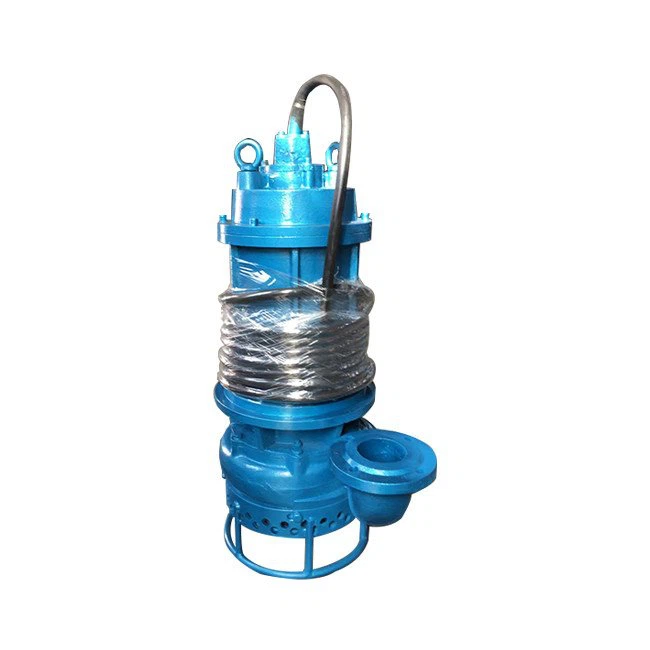
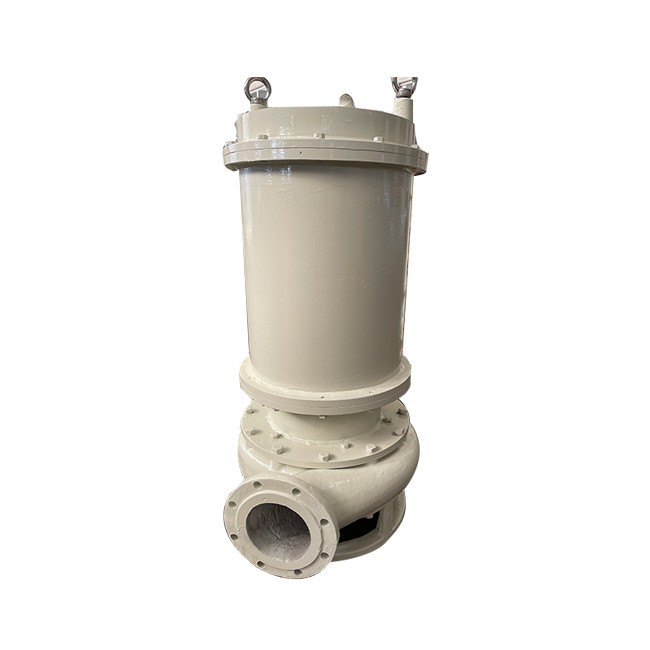
WQ Submersible Sewage Pump


Anti-Corrosion Submersible Sewage Pump

4. Seal Chamber and Seals: This component prevents sewage from entering the motor compartment. Mechanical seals are used, which create a watertight seal between the motor and the pump casing.


5. Discharge Pipe: This is the pipe through which the sewage leaves the pump. It's designed to handle the pressure of the sewage being forced through it by the pump.


6. Power Cord: This is what connects the pump to the electrical power source. It's designed to be waterproof and durable to ensure reliable operation of the pump.

These components work together to provide a robust and efficient system for managing and transporting sewage.


Industrial Applications of Submersible Wastewater Pumps


1

Municipal Wastewater Treatment
Municipal waste water removal plants are essential for maintaining public health and environmental safety by processing sewage and domestic waste water from residential and commercial buildings. Submersible sewage pumps are integral to these facilities, where they are used to move raw sewage and waste water through various stages of treatment. These pumps are often installed in lift stations to elevate waste water to higher elevations for gravity-fed processes. Submersible sewer pumps are designed to handle raw sewage, including solids and fibrous materials, without clogging, ensuring continuous and efficient operation. Their robust construction and ability to operate entirely submerged make them ideal for the demanding conditions found in municipal waste water systems.

 
2

Industrial Waste Management
In industrial settings, managing waste efficiently is crucial to maintaining operational efficiency and compliance with environmental regulations. Industrial submersible pumps are used to handle a variety of waste fluids, including those that contain chemicals, solids, stringy materials, and other hazardous materials from septic tanks. These heavy duty dewatering pumps are designed to withstand harsh conditions, effluent, and corrosive substances, ensuring long-term reliability and minimal downtime. Industries such as mining, chemical manufacturing, and food processing rely on these industrial pumps to effectively manage their waste water and effluents. The versatility and durability of these dewatering pumps make them suitable for a wide range of industrial applications, ensuring that waste is transported safely and efficiently to treatment facilities or disposal sites.

 
3

Emergency Flood Water Management
Submersible wastewater high head pumps play a critical role in emergency floodwater management, helping to mitigate the impact of flooding on communities and infrastructure. During heavy rains or natural disasters, these dewatering pumps are deployed water transfer applications or quickly remove excess water from flooded areas, preventing damage and aiding recovery efforts. Industrial submersible pumps are handy in these situations due to their high water transfer capacity and ability to handle debris-laden water. Their portability and easy installation options allow for rapid deployment in emergency scenarios. By efficiently pumping out floodwaters, submersible sewage pumps help protect properties, reduce business downtime, and ensure the safety and well-being of affected populations.


The Importance of Submersible Sewage Pumps in Modern Society

Submersible sewage pumps play a pivotal role in our modern society, often going unnoticed but providing essential services that maintain public health, sanitation, and environmental safety.

Firstly, submersible sewage pumps are integral to waste management and sanitation systems. Whether in small towns or large cities, these pumps ensure that sewage waste is efficiently and effectively moved from homes, offices, and public buildings to wastewater treatment facilities. Without these pumps, we would be left with unmanageable waste accumulation, leading to significant public health issues.

Secondly, these pumps help protect the environment. By reliably transporting sewage waste to treatment facilities, submersible sewage pumps help prevent the release of untreated waste into the environment. This not only protects our water sources but also contributes to the preservation of ecosystems and biodiversity.

Furthermore, in areas prone to flooding, submersible sewage pumps can be used to quickly and efficiently remove water from flood-prone areas, helping to mitigate the impact of flooding on communities and infrastructure.

In the industrial sector, these pumps are essential for waste management and process fluid transportation. They are used in various industries, including mining, construction, and manufacturing, to handle waste products and transport fluids needed for various processes.

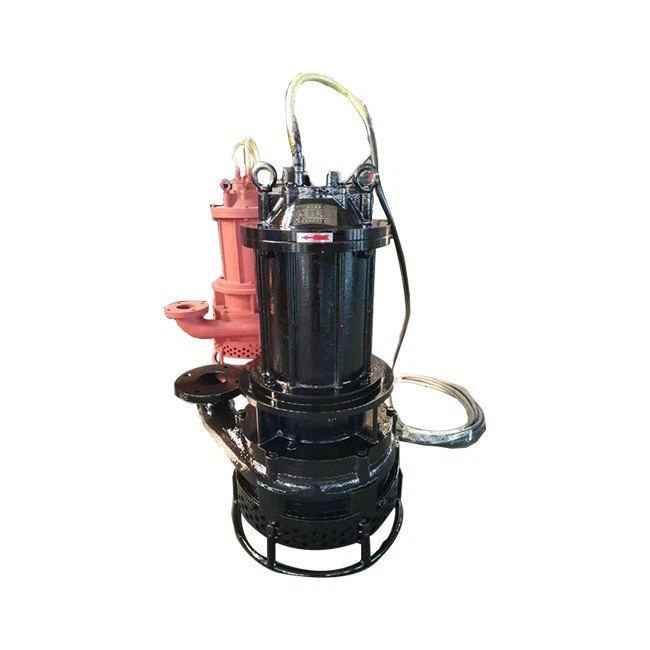
ZJQ Submersible Slurry Pump


How To Pick The Perfect Submersible Sump Pump?


Submersible sump pumps are the preferred choice for most residential applications, but not all pumps are made equal!

Submersible pumps come in multiple horsepower ratings and have different accessory options, and it can be confusing to choose between them.

This guide will explain everything you need to know to confidently choose the right submersible pump for your sump pit and ensure it's the right size for the job. After all, a properly sized sump pump saves money and hassle in the long run.


How to Properly Size a Submersible Sump Pump
There are four major factors to consider to be confident you're choosing the right submersible pump for the job. There's a saying about "bigger is better," but with sump pumps, this is not true.

Oversizing a sump pump can lead to constant cycling and premature burnout of your pump system. Under-sizing a pump can lead to the same issue, so it's important to choose a submersible pump that most closely fits the needs of your sump pit.

To properly size a submersible sump pump and safely put together a proper sump pump system, you'll need to:
Choose the right horsepower
Choose the right float switch
Choose the right water alarm
Choose a backup sump pump system


How to Choose the Right Horsepower (HP) for Sump Pumps
Horsepower is the most important factor when determining which sump pump is best for your application, and it's used to determine how much power your pump can produce to empty your sump pit through the discharge piping.

It's important to understand that each submersible sump pump has its own pump curve and recommended uses, so make sure to check the specifications of the pump to make sure it's going to work for you since total pump output can vary between manufacturers. This information can be found for each pump on our product pages.

If you're replacing a previous pump, typically you should stick to the same horsepower (HP) rating as your old pump unless you experienced any issues with that pump before it failed. Every sump pump has a data plate that can be checked to determine all the most important pump information, including HP ratings and model number for reference.

If you can't locate the information or can't find your user manual, we have a manual lookup tool you can use to find your old pump's manual.


1/3 HP Submersible Sump Pumps
For most average-sized homes in areas with average water tables, a 1/3 HP sump pump should be sufficient. Typically, 1/3 HP pumps can handle 7' - 10' vertical lifts from the sump pit if they have one 90-degree elbow and a horizontal pipe run between 3 feet and 25 feet.


1/2 HP Submersible Sump Pumps
If you live in an average-sized home with an above-average water table, you will most likely need a 1/2 HP sump pump. These pumps will generally pump about 35%-40% more than their 1/3 HP counterparts, and can also handle higher vertical lifts for water being pumped through your discharge pipe.

When you have a slightly higher vertical lift (10-15 feet) or a long horizontal run (example: 30-150 feet), you may notice a loss of water flow due to the increased friction from the longer runs. For those conditions, you may need a higher pumping capacity (HP and GPH) to overcome that loss.


3/4 HP - 1 HP Submersible Sump Pumps
3/4 HP Submersible Sump PumpFor people living in high water table areas, flood plains, low-lying areas susceptible to flooding, or have a deeper basement, you will likely need a stronger 3/4 HP sump pump

These pumps will generally provide a 20% - 25% increase in pumping capacity over a 1/2HP sump pump. In addition, if you have an installation where you need a high vertical lift or head (20-30 feet) and/or a long horizontal run (150-250 feet), 3/4 - 1 HP pumps provide the additional power needed to pump that water. These higher-output sump pumps are also ideal for outdoor pump applications.

When dealing with higher GPM and longer pumping distances, special attention needs to be placed on choosing a proper discharge pipe diameter to prevent problems with higher-powered pumps.


Wifi Submersible Sump Pumps and Accessories
Float switches, water alarms, and backup pumps are all necessary to prevent your basement from flooding, which is why you need a sump pump in the first place.

Most sump pumps will come with a float switch, or you can purchase a replacement separately. We recommend electronic float switches because they take up less space in your sump pit and are the most reliable switches on the market.

With water alarm systems, wifi-enabled kits can be purchased that connect to your sump pump and call, text, or email you if anything is going wrong with your sump pit. They are extremely useful to have because a regular beeping water alarm won't do much good if no one is home to hear it.

Backup sump pump systems are your only hope of preventing a flood if you lose primary power at home and don't have a generator standing by. You can buy a backup sump pump system separately, or get one included with your primary pump by getting a combination sump pump system.


Our Factory


Shandong Magtech Machinery Equipment Co., Ltd is a professional manufacturer of vacuum pump, water pump, slurry pump and other industrial pumps. In line with the concept of "science and technology leading, quality oriented, and reputation first", the company has made great efforts to innovate and forge ahead, so that excellent results have been achieved in the production and operation, new product development and other aspects of the company. Main products are SZ, SZB, SK, 2BV, 2BEA, 2BEC series water ring vacuum pump, roots water ring vacuum unit, closed cycling vacuum unit, WLW vertical oil-free reciprocating vacuum pump, etc. SH, S, OS, IS, ISG, LG, DL, DA1 series water pump.


FAQ


Q: What are submersible sewage pumps?

A: These pumps can be submerged in the fluid and can handle solid matters. The pumps used in sewage systems have a unique design that allows solids to pass through without clogging. The pump housing, which houses the motor and impeller, is made of corrosion-resistant material and is designed for long-term use.

Q: How does a submersible sewage pump work?

A: Sewage pumps are centrifugal pumps, with special design enabling solids to pass without clogging the pump. When the pump is turned on, the motor starts to rotate the impeller, creating the pressure that pushes water into the impeller and goes into the discharge pipe.

Q: What is the difference between pump and submersible pump?

A: The major difference between a submersible pump and any other type of pump is that a submersible pump is completely submerged in the liquid that it is required to pump. These pumps can be used in many different pumping applications.

Q: How long do submersible sewage pumps last?

A: About 10 years
Averaging about 10 years, you might not notice your sump pump has malfunctioned until it has stopped working.

Q: What is the main advantage of a submersible pump?

A: Submersible pumps offer several distinct advantages, including high efficiency, self-priming capabilities, low noise, and versatility across various applications. Their compact design and lower maintenance needs make them attractive for many uses.

Q: How deep does a submersible pump go?

A: A Convertible Well Jet Pump can operate between 0' to 25' with a shallow jet well nozzle or between 25' to 90' deep with an ejector assembly. Deep Well Submersible Pumps attach to the bottom of the drop pipe and can operate in wells from 20' up to 300' deep.

Q: Is it okay to run a submersible pump 24 hours?

A: Submersible pumps are designed for continuous operation, which means you can run them for 24 hours a day, if necessary, when mains powered.

Q: What is the difference between a sewage pump and a sewage ejector pump?

A: The trade-off is that grinder pumps can only pump small amounts of sewage. Sewage ejector pumps, on the other hand, can transport large amounts of untreated sewage (up to 200 gallons per minute) to distances of up to 750 feet.

Q: Does a submersible pump need to be fully submerged?

A: A submersible pump is designed to be fully submerged in the fluid it is meant to pump. This immersion is crucial for its efficient operation and self-priming capabilities. The fluid surrounding the pump helps in cooling the motor and eliminating the need for separate cooling mechanisms.

Q: How many HP submersible pumps do I need?

A: For most average-sized homes in areas with average water tables, a 1/3 HP sump pump should be sufficient. Typically, 1/3 HP pumps can handle 7' - 10' vertical lifts from the sump pit if they have one 90-degree elbow and a horizontal pipe run between 3 feet and 25 feet.

Q: How to select a submersible pump?

A: Take measurements of the size of the suction and delivery mains to determine the hydraulic capacity of the system. Fix the type, size, and characteristics of the pump, motor, and starter. Check the features of pumps of different manufacturers and select the best with due consideration to the price.

Q: What pump style is most commonly used for transferring sewage?

A: Centrifugal pumps are commonly used in wastewater treatment applications. These pumps use centrifugal force to produce enough velocity to move fluid through the system. One advantage of centrifugal pumps is that they are simple to install and don't require a lot of space.

(0/10)

clearall